What Is a Literary Genre and Why Does It Matter? A Complete Guide
14 November 2026 · 7 min read
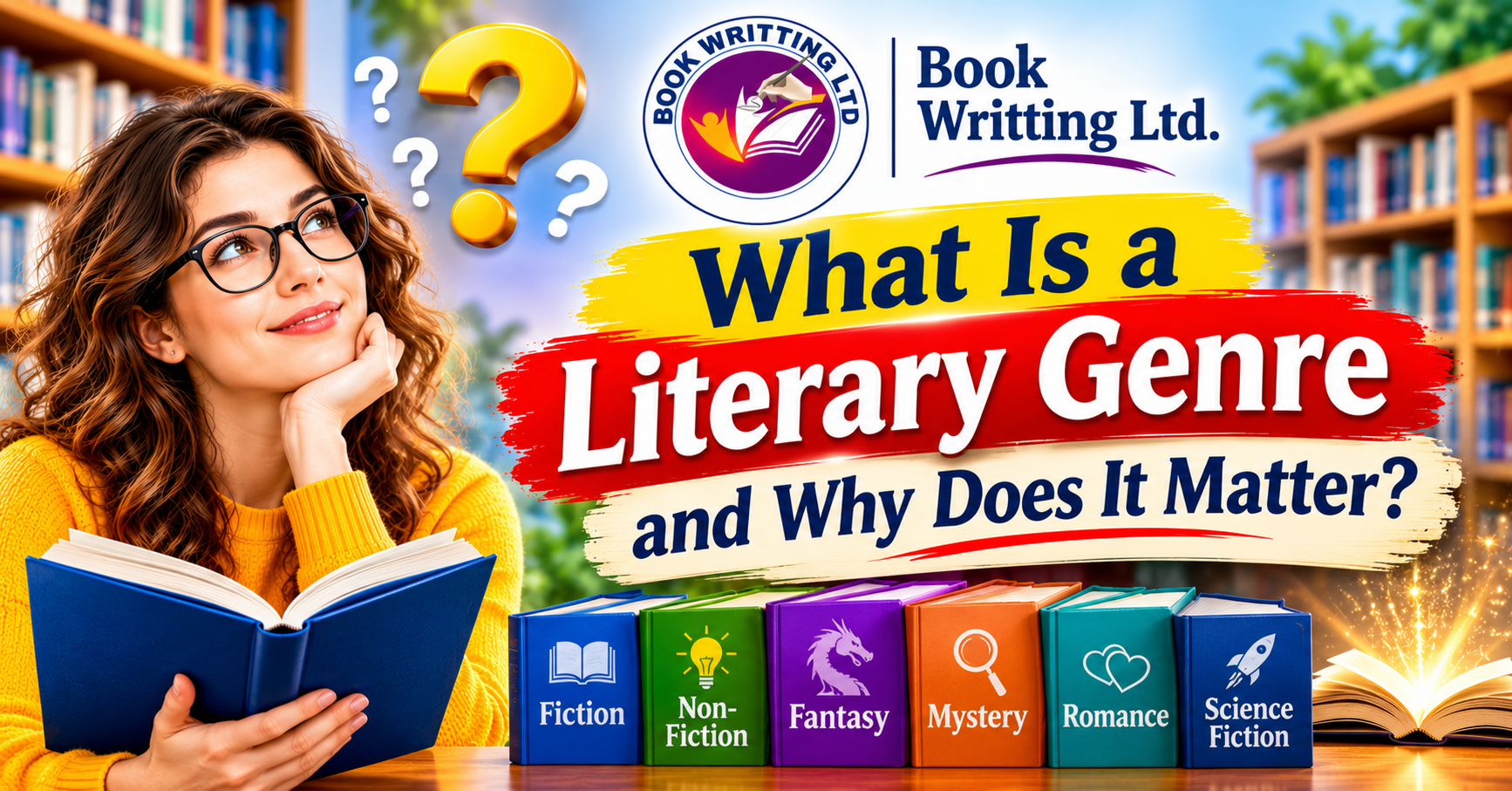
Have you ever wondered why books are organized into categories such as fiction, nonfiction, fantasy, mystery, romance, and science fiction? These categories are known as literary genres, and they help readers understand the type of content, themes, and storytelling experience a book may offer.
Whether you're choosing your next book or planning to write one, understanding literary genres can make a significant difference. Genres help writers identify their creative direction, establish reader expectations, and communicate the nature of their work to potential audiences.
But what exactly is a literary genre, what are its main types, and why does it matter in the world of writing and publishing?
Let's explore the meaning of literary genres and discover how they influence authors, readers, and the publishing industry.
1. What Is a Literary Genre?
A literary genre is a category of writing that groups books and other written works according to shared characteristics, themes, styles, or storytelling approaches.
Genres help readers identify the general nature of a book before they begin reading it. For example, someone choosing a mystery novel may expect clues, unanswered questions, and an important revelation. A romance reader may look forward to relationship development and emotional connections.
Genres also provide writers with a useful framework for developing their ideas.
Some broad literary categories include fiction and nonfiction, while fantasy, mystery, romance, and science fiction are examples of more specific genres. These categories can sometimes overlap, allowing authors to combine different storytelling approaches.
2. Understanding Fiction
Fiction includes imaginative stories created by writers. Although fictional works may draw inspiration from real people, places, events, or experiences, their characters and narratives are invented or imaginatively developed.
Popular forms of fiction include:
Novels and novellas.
Short stories.
Literary fiction.
Historical fiction.
Mystery and thriller fiction.
Fantasy and romance.
Fiction allows authors to explore human emotions, relationships, societies, conflicts, and imaginative situations.
For example, a writer might create a story about a family navigating a difficult decision or an explorer discovering an unfamiliar world.
This category offers considerable creative freedom, allowing writers to experiment with characters, settings, plot structures, and storytelling techniques.
3. Understanding Nonfiction
Nonfiction focuses on real people, events, experiences, information, and subjects.
Unlike imaginative storytelling, nonfiction generally aims to present factual information, personal experiences, research, or documented events.
Popular nonfiction categories include:
Biographies and autobiographies.
Memoirs.
History books.
Educational guides.
Self-help books.
Business publications.
Travel writing.
For example, a biography explores the life of a real individual, while a self-help book may offer practical information about personal development.
Nonfiction writers should pay attention to accuracy, credible sources, and responsible presentation. Readers expect factual information to be represented honestly and clearly.
4. What Is Fantasy?
Fantasy is a genre that explores imaginative worlds, magical elements, extraordinary abilities, and events beyond ordinary reality.
Fantasy writers often create fictional kingdoms, unusual creatures, ancient legends, mysterious objects, and characters with special powers.
Common fantasy elements include magic, mythical creatures, imaginary kingdoms, extraordinary adventures, and conflicts between opposing forces.
World-building is particularly important in fantasy writing. Authors establish the history, geography, cultures, and rules of their fictional environments.
A convincing fantasy world encourages readers to explore possibilities that exist beyond everyday experience.
5. What Is Mystery Fiction?
Mystery fiction focuses on unanswered questions, hidden information, investigations, and unexpected discoveries.
Many mystery stories introduce an unexplained event or problem that the protagonist must investigate.
Common elements include clues, suspects, secrets, misleading information, and important revelations.
Mystery writers need to organize their plots carefully so readers can follow the investigation while remaining curious about the outcome.
A successful mystery provides enough clues to make the story engaging without revealing its central answer too early.
6. What Is Romance Fiction?
Romance is a literary genre that focuses on emotional relationships and the development of romantic connections between characters.
Romance stories often explore attraction, trust, communication, personal challenges, and relationship development.
Popular forms include contemporary romance, historical romance, romantic comedy, fantasy romance, and romantic suspense.
A strong romance story requires believable characters and a relationship that develops naturally through the narrative.
Readers often enjoy discovering how characters navigate misunderstandings, personal responsibilities, and important decisions about their relationships.
7. What Is Science Fiction?
Science fiction explores imaginative possibilities connected to science, technology, space, and future developments.
Authors may create stories about advanced inventions, distant planets, artificial intelligence, space exploration, and alternative technological futures.
Common science fiction themes include space travel, robotics, futuristic societies, environmental change, and time travel.
Research and consistent fictional rules can help make science fiction stories believable.
This genre allows authors to explore how scientific discoveries and technological developments might influence individuals and society.
8. Why Do Literary Genres Matter?
Literary genres play an important role in the reading and publishing experience.
They Help Readers Choose Books: Genre categories make it easier for readers to discover books that match their interests.
They Guide Writers: Genres provide creative frameworks and help authors understand common storytelling expectations.
They Support Book Marketing: Publishers, booksellers, and online retailers use genre classifications to organize and present books to relevant audiences.
They Establish Reader Expectations: Readers develop expectations about themes, storytelling styles, and experiences associated with different genres.
They Encourage Creativity: Understanding genres helps writers experiment with familiar conventions and combine different storytelling approaches.
Genres are useful for both creative development and communication between authors and readers.
9. Can a Book Belong to More Than One Genre?
Absolutely! Many books combine two or more genres to create distinctive reading experiences.
For example, a novel might combine romance and historical fiction, while another may bring together mystery and science fiction.
These combinations are sometimes called genre blends or cross-genre fiction.
A fantasy novel may include romantic relationships, or a historical mystery may explore an investigation within a carefully researched historical setting.
Combining genres gives writers opportunities to introduce fresh perspectives and appeal to readers with different interests.
However, it is important to maintain a clear central identity so potential readers understand what kind of book they are choosing.
10. How to Choose the Right Genre for Your Book
Choosing the right genre is an important early decision for authors.
Start by identifying the main idea of your book and the experience you want readers to have.
Consider whether your book is based on real information or an imagined story, which themes are most important, and which readers are most likely to enjoy it.
Research comparable books and examine how publishers describe similar titles.
Choose a category that genuinely reflects your content rather than selecting a popular genre simply because it appears commercially attractive.
A clear genre description can help you position your book and communicate its value to potential readers.
Literary genres help organize the world of books by identifying shared themes, writing styles, and storytelling approaches.
From fiction and nonfiction to fantasy, mystery, romance, and science fiction, every genre provides different opportunities for writers and different experiences for readers.
Understanding literary genres can help you choose books more confidently, develop your creative direction, and prepare your manuscript for publication.
Remember that genres are useful guides rather than strict boundaries. Writers can experiment with different styles and combine categories to create original stories.
Whether you're planning your first novel or developing a nonfiction book, understanding your genre is an important step toward creating a meaningful and engaging publication.
For more writing inspiration, manuscript preparation, editing, and publishing resources, visit Book Writting Ltd and explore the services available to support your writing journey.