Best Digital Marketing Strategies to Promote Books Worldwide
21 November 2026 · 4 min read

The publishing industry has changed significantly with the growth of digital technology. Today, authors and publishers are no longer limited to traditional bookstores, local promotions, or printed advertisements to reach readers. Digital marketing has made it possible to promote books worldwide, connect with different audiences, and build a strong presence in the global literary market.
Whether you are an independent author, a publishing company, or a book retailer, using the right digital marketing strategies can help increase book visibility, attract potential readers, and improve sales. Here are some of the most effective ways to promote books online.
1. Build a Professional Author or Book Website
A professional website is an important foundation for successful book promotion. It provides a central place where readers can explore your books, learn about the author, read descriptions, and find purchasing information.
Your website should include book covers, summaries, author biographies, reviews, contact details, and links to online bookstores. Search engine optimisation (SEO) can also help your website appear in relevant search results when people look for books in specific genres or categories.
2. Use Social Media Marketing
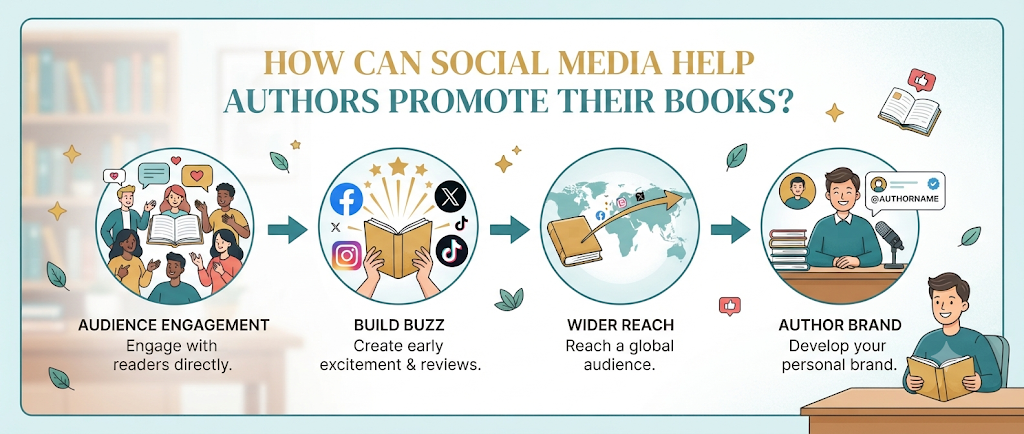
Social media platforms such as Facebook, Instagram, LinkedIn, TikTok, and Pinterest offer excellent opportunities to promote books to international audiences.
Authors and publishers can share attractive book-cover images, reading recommendations, short video clips, author interviews, behind-the-scenes content, and reader testimonials.
Creating engaging posts and using relevant hashtags can help attract readers interested in particular genres, including fiction, romance, business, education, self-help, and children's literature.
3. Invest in Search Engine Optimisation (SEO)
SEO helps readers discover books and publishing websites through search engines. By using relevant keywords in book descriptions, blog articles, website pages, and product listings, authors and publishers can improve their online visibility.
For example, keywords such as "best motivational books," "popular mystery novels," and "children's educational books" can help attract people searching for specific reading materials.
Publishing informative blogs, book reviews, and reading guides can also generate organic website traffic.
4. Promote Books Through Email Marketing
Email marketing is an effective way to maintain relationships with existing readers and attract new audiences.
Authors and publishers can build an email subscriber list by offering reading samples, exclusive updates, newsletters, and information about upcoming releases.
Regular email campaigns can announce new books, special offers, author events, and recommendations based on readers' interests. Always obtain appropriate consent and provide an unsubscribe option.
5. Collaborate with Book Bloggers and Influencers
Book bloggers, reviewers, reading communities, and social media influencers can help introduce books to new audiences.
Collaborating with relevant creators for honest reviews, interviews, reading challenges, and promotional campaigns can increase awareness and encourage readers to explore new titles.
Choosing influencers whose audiences match your book's genre is important for achieving better results.
6. Use Paid Digital Advertising
Paid advertising through Google Ads, Facebook Ads, Instagram Ads, and other platforms can help promote books to targeted audiences across different countries.
Publishers can create campaigns based on reading interests, age groups, locations, and relevant audience segments. Attractive creatives, clear book descriptions, and effective landing pages can improve campaign performance.
It is important to monitor advertising costs, clicks, conversions, and actual book sales to measure results.
7. Create Valuable Content and Build Reading Communities
Content marketing can help authors develop long-term relationships with readers. Publishing articles about storytelling, writing techniques, reading habits, book recommendations, and literary trends can attract people who enjoy reading.
Participating in online book clubs, discussion groups, and reading communities also creates opportunities to connect with potential readers.
Conclusion
Promoting books worldwide requires a combination of creativity, consistency, and the right digital marketing approach. From professional websites and SEO to social media marketing, email campaigns, influencer collaborations, and paid advertising, each strategy can contribute to stronger book visibility and audience engagement.
Authors and publishers who invest in a well-planned digital marketing strategy can reach readers beyond geographical boundaries, strengthen their publishing brand, and create more opportunities for long-term growth in the global book market.