
Creating Animal-Centered Fiction Stories: Bringing Animal Characters to Life
25 November 2026 · 7 min read
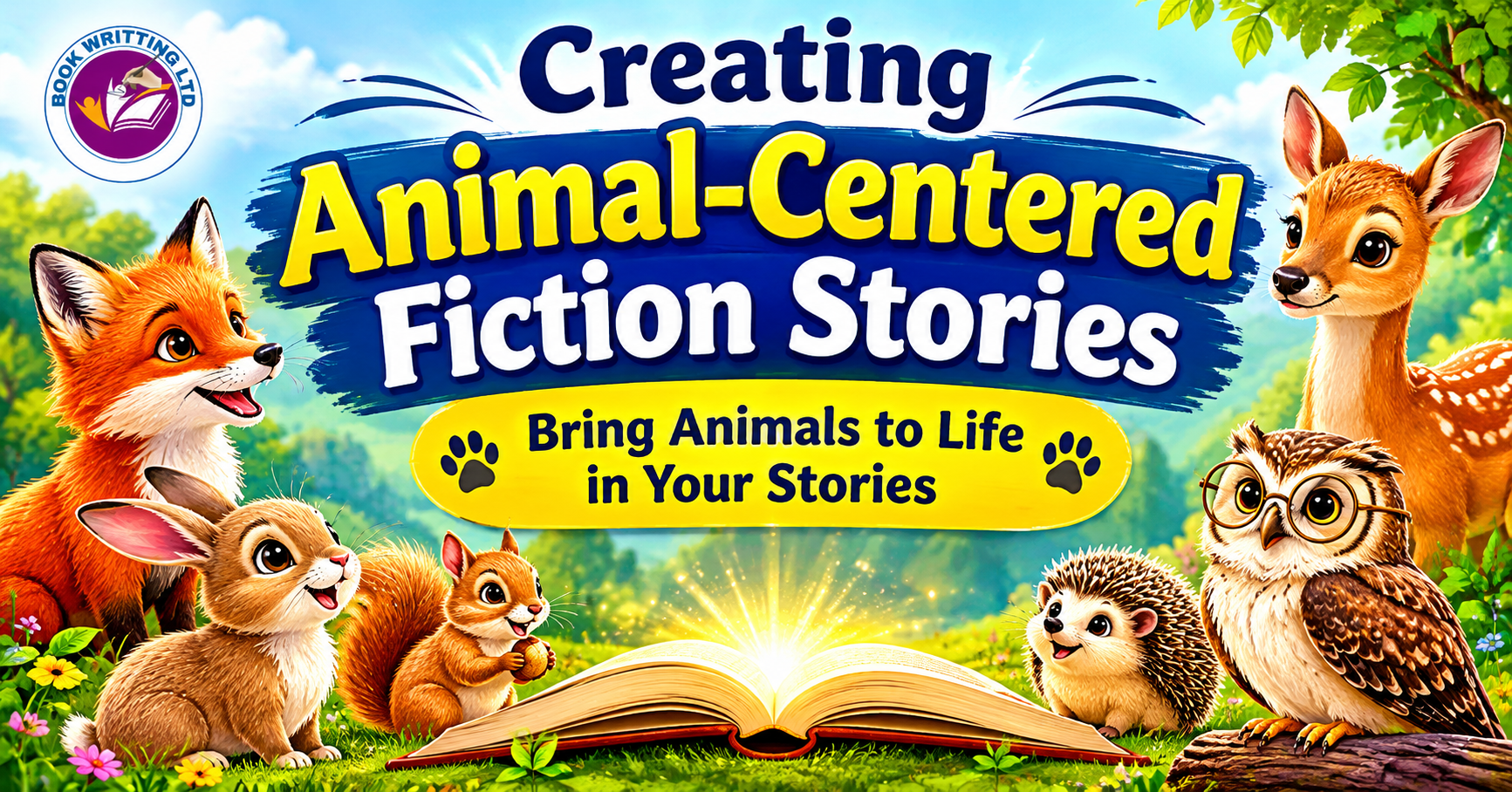
Animals have always played an important role in storytelling. From adventurous woodland creatures and loyal family pets to mysterious wild animals and imaginative talking characters, animals can become fascinating protagonists in fiction.
Animal-centered fiction places animals at the heart of a story. These narratives can explore friendship, loyalty, survival, adventure, family relationships, courage, and the connection between humans and the natural world.
However, writing an engaging animal-centered story involves more than choosing an animal and giving it a personality. Writers need to understand animal behavior, develop believable characters, create meaningful conflicts, and build settings that support the narrative.
Whether you're planning a children's story about a curious puppy, a wildlife adventure, a fantasy novel featuring talking animals, or a realistic story about life in the natural world, thoughtful storytelling can help bring your ideas to life.
Here are ten practical techniques for creating memorable animal-centered fiction stories.
1. Choose an Interesting Animal Protagonist
The first step is choosing an animal that suits your story.
Different animals offer different storytelling possibilities. A dog might become the central character in a story about loyalty and companionship, while a fox could feature in an adventure involving curiosity and exploration.
You might choose:
Domestic animals such as dogs, cats, and rabbits.
Wild animals such as wolves, foxes, and bears.
Birds such as eagles, parrots, and owls.
Marine animals such as dolphins, whales, and turtles.
Farm animals such as horses, sheep, and cows.
Imaginary creatures created specifically for your fictional world.
Think about why the animal is suitable for your narrative.
Consider its natural characteristics, environment, abilities, and possible challenges.
An interesting animal protagonist should have a meaningful role in the story rather than simply being included because readers find the animal appealing.
2. Understand Animal Behavior
Research is especially important when writing stories featuring realistic animals.
Different species have different instincts, communication methods, physical abilities, habitats, and social behaviors.
For example, a story about wolves should consider their social behavior, while a story about sea turtles should reflect their relationship with marine environments.
Research reliable information about the animal before developing important scenes.
Consider:
Natural food sources.
Typical habitats.
Movement and physical abilities.
Social behavior.
Communication methods.
Environmental challenges.
Relationships with other species.
You do not need to include every scientific detail in your story. Use research to make important events and character actions believable.
Accurate animal behavior can make even an imaginative fictional narrative feel more convincing.
3. Develop Unique Animal Characters
Just like human protagonists, animal characters need distinctive personalities, motivations, and individual characteristics.
One animal might be curious and adventurous, while another is cautious, independent, playful, or protective.
Give your main character qualities that influence the story.
For example, a young fox might be interested in exploring unfamiliar places but struggle when faced with situations beyond its experience.
A loyal dog might become the central character in a story about friendship and responsibility.
Avoid giving every animal the same personality.
Distinctive characters make it easier for readers to recognize individuals and become interested in their journeys.
4. Decide Whether Your Animals Will Talk or Behave Naturally
Animal-centered fiction can follow different storytelling approaches.
In realistic animal fiction, characters generally behave according to their natural abilities and instincts.
For example, a wildlife adventure might describe animals communicating through sounds, movements, scent, and behavior.
In fantasy or children's fiction, animals may speak, wear clothing, use tools, or participate in human-like activities.
Both approaches can work well, but writers should establish consistent rules.
If your fictional animals can communicate through language, decide how that ability works within your world.
If your story aims for realism, avoid giving animals abilities or behaviors that contradict the environment you have established without a clear fictional explanation.
Consistency helps readers understand and enjoy your fictional world.
5. Create a Setting That Supports the Story
The environment is an important part of animal-centered fiction.
Your story might take place in a forest, ocean, mountain range, countryside, wildlife reserve, farm, or imaginary animal kingdom.
Consider how the environment influences your characters' experiences.
For example, a forest adventure might involve changing weather, available food, unfamiliar territories, and interactions with other animals.
A story set in a coastal environment could explore beaches, marine habitats, tides, and seasonal changes.
Use descriptive details to help readers imagine the surroundings.
Research the location and its wildlife when using real-world environments.
The setting should influence the events and challenges rather than serving only as a background.
6. Build a Strong Central Conflict
Every engaging animal-centered story needs a reason for readers to continue.
Your protagonist should have a goal, face obstacles, and make decisions that influence what happens next.
Possible story conflicts include:
Finding a safe place to live.
Learning to survive in an unfamiliar environment.
Reuniting with separated companions.
Exploring an unknown territory.
Protecting a habitat.
Developing trust between different animals.
Overcoming a personal limitation.
For example, a young bird might need to navigate an unfamiliar environment while learning important survival skills.
The conflict should match the animal's abilities and the rules of your fictional world.
Avoid introducing problems that have no meaningful connection to the characters or storyline.
7. Explore Friendship and Relationships
Relationships can make animal-centered stories emotionally engaging.
Animals may form meaningful connections with members of their own species, other animals, or human characters.
A story might explore friendship between two different species, a companion animal's relationship with a family, or the connection between an animal parent and its young.
Develop these relationships through shared experiences, challenges, trust, and changing circumstances.
If your story includes human characters, give both the animals and humans meaningful roles.
Avoid making the animal characters exist only to support the human protagonist. Their own goals and experiences should contribute to the narrative.
8. Use Animal Perspectives to Explore Meaningful Themes
Animal-centered fiction can introduce readers to interesting subjects through the experiences of its characters.
Possible themes include friendship, courage, responsibility, environmental awareness, cooperation, family, and respect for nature.
For example, a story about animals living near a changing habitat might explore environmental challenges through their experiences.
A friendship between two animals from different backgrounds might introduce ideas about trust and cooperation.
Allow these themes to emerge naturally through the plot.
Avoid turning every chapter into a lesson. Readers should remain interested in the characters and the events of the story.
9. Avoid Common Animal Fiction Writing Mistakes
Even a promising animal story can become less effective when characters and environments are not developed carefully.
Avoid these common mistakes:
Ignoring natural behavior: Research the species when writing realistic animal characters.
Giving every animal the same personality: Develop distinctive characters.
Using unrealistic abilities without explanation: Establish consistent fictional rules.
Overusing human characteristics: Decide how much human-like behavior suits your genre.
Creating weak conflicts: Give the protagonist meaningful goals and challenges.
Ignoring the setting: Make the environment relevant to the storyline.
Using animals as stereotypes: Avoid assuming that every animal character must behave in a predictable way.
Thoughtful research and revision can make your story more original and believable.
10. Revise and Prepare Your Animal Fiction Manuscript
After completing your first draft, review the manuscript carefully.
Check whether the animal characters behave consistently, the setting supports the narrative, and the central conflict develops naturally.
Look for repetitive descriptions, confusing scenes, and unrealistic details that may distract readers.
If your book includes real animal species, verify important information using reliable wildlife and scientific resources.
Ask trusted readers for feedback about the characters, pacing, and overall storytelling.
Professional editing and proofreading can also improve clarity, structure, grammar, and consistency.
If you need help developing or preparing your manuscript, explore writing, editing, proofreading, publishing, and book marketing services through Book Writting Ltd
Conclusion
Creating animal-centered fiction stories provides an exciting opportunity to combine imagination, research, memorable characters, and meaningful storytelling.
Start by choosing an interesting animal protagonist, understanding its behavior, and creating a setting that supports its experiences.
Develop distinctive personalities, build engaging conflicts, and explore themes that contribute naturally to the narrative.
Remember that successful animal fiction is not simply about including animals in a story. It is about creating characters whose experiences, decisions, relationships, and journeys keep readers interested.
With thoughtful research, creative imagination, and careful revision, you can develop animal-centered fiction that entertains readers and creates memorable connections with the natural world.
For more writing inspiration, manuscript preparation, editing, proofreading, publishing, and book marketing resources, visit Book Writting Ltd and explore services designed to support your writing journey.