
What Is a Book Outline?
21 October 2026 · 7 min read
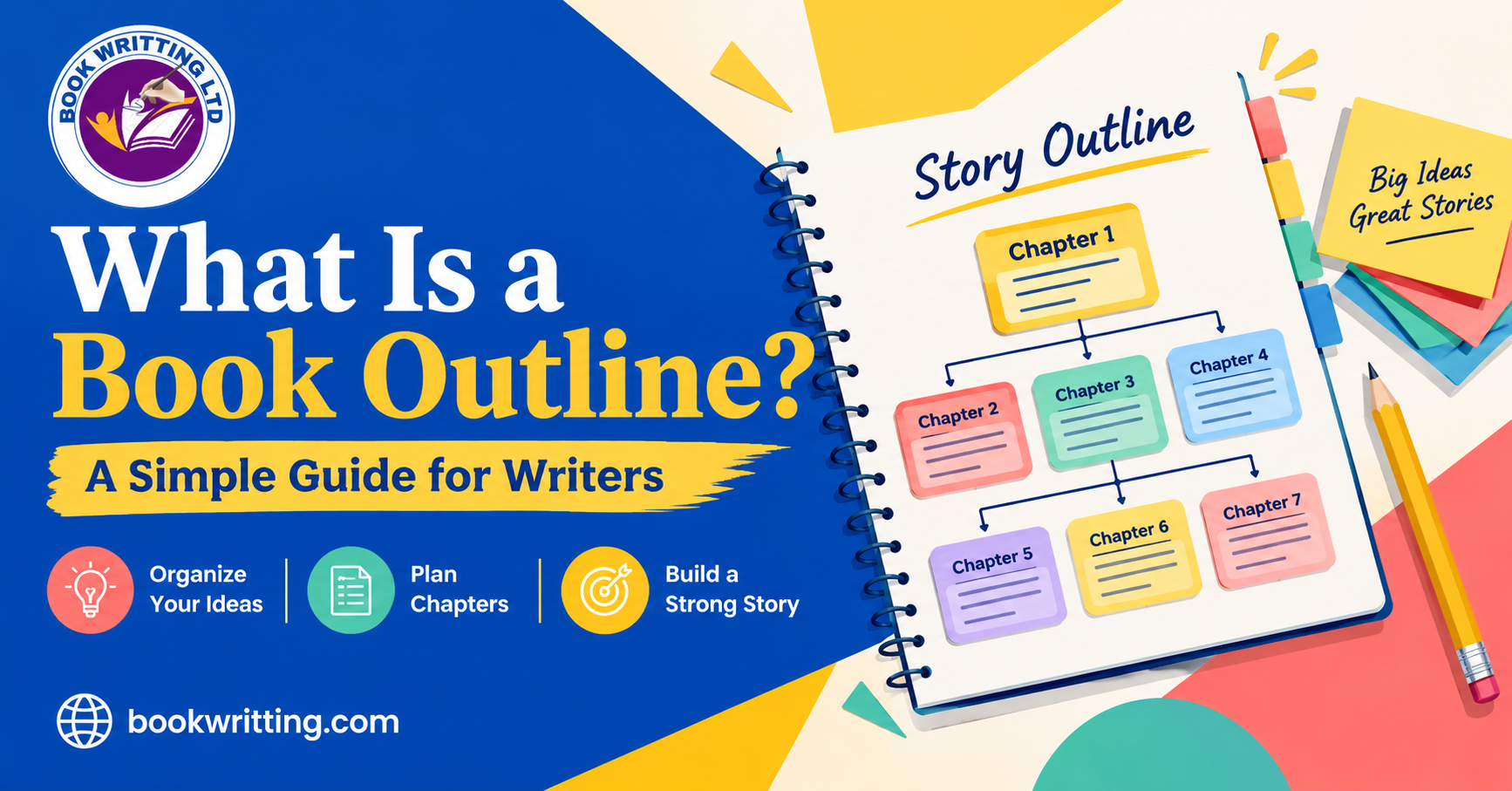
Writing a book is an exciting creative journey, but organizing ideas into a complete manuscript can be challenging. Writers may have interesting characters, important information, or a powerful central idea without knowing exactly how to arrange everything. A book outline can help turn those ideas into a clear and manageable plan.
But what is a book outline, and why is it useful?
A book outline is a structured plan that organizes a book's main ideas, chapters, events, or topics before or during the writing process. It gives the author an overview of the book and helps show how each section contributes to the overall purpose.
Whether you're planning a novel, memoir, educational guide, or business book, creating an outline can make the writing process more organized and easier to manage.
1. What Is the Purpose of a Book Outline?
The primary purpose of a book outline is to provide direction. Instead of approaching a manuscript as one enormous task, you can divide it into smaller sections with specific goals.
For fiction, an outline may describe the main characters, central conflict, key plot developments, and ending. For nonfiction, it might organize the main argument, chapter topics, examples, and practical lessons.
An outline can help you identify missing information, notice repetitive sections, and check whether the book follows a logical progression.
It can also save time during revision. If the structure is confusing, adjusting an outline may be easier than rewriting several completed chapters.
However, an outline is a planning tool, not a strict rulebook. You can change it as your ideas develop.
2. What Should a Book Outline Include?
The contents of an outline depend on the type of book you are writing. Most useful outlines include a few basic elements.
The main idea: Explain what your book is about and what you want it to accomplish.
The intended reader: Consider who the book is written for and what those readers may want to learn or experience.
The main sections or chapters: List the major parts of the book in a logical order.
Key points or events: Identify what each chapter needs to communicate or accomplish.
The overall direction: Consider how the book begins, develops, and concludes.
For a novel, the outline might include character goals, conflicts, turning points, and the resolution. For a practical guide, it could show how readers progress from understanding a problem to learning possible solutions.
You do not need to include every detail at the beginning. Start with the information that helps you understand the book's overall structure.
3. Different Types of Book Outlines
There is no single outlining method that works for every writer. You can choose an approach that matches your project and working style.
Chapter-by-Chapter Outline
This method lists each chapter and briefly explains its purpose. It is helpful for novels, memoirs, and nonfiction books with a clear progression.
Bullet-Point Outline
A bullet-point outline uses headings and short notes to organize ideas. It is flexible and easy to revise, making it useful during early planning.
Mind Map
A mind map begins with the central idea and branches into related themes, characters, questions, or chapters. It can be especially useful when you have many ideas but have not yet decided how they fit together.
Scene-by-Scene Outline
This approach breaks fiction into individual scenes. Each scene may include the characters involved, the main action, the conflict, and the information revealed.
Flexible Working Outline
Some writers prefer a brief plan that identifies the main direction without detailing every chapter. This approach allows more discovery during drafting while preserving a general structure.
You can combine these methods or change your approach as the manuscript develops.
4. How to Create a Book Outline Step by Step
Creating an outline does not have to be complicated. Follow these steps to build a useful starting plan.
Step 1: Define Your Book's Purpose
Write a few sentences describing your book's central idea. For fiction, identify the main character and the central conflict. For nonfiction, explain the subject and what you want readers to understand.
Step 2: Identify the Main Sections
List the major parts of your book. A nonfiction book might progress from introducing a problem to explaining its causes and presenting possible approaches. A novel might move from introducing the characters to developing the conflict and reaching a resolution.
Step 3: Add Chapter Ideas
Give each chapter a working title and a brief description. Keep these descriptions simple at first. A few sentences or bullet points may be enough to guide your writing.
Step 4: Check the Order
Review the sequence of your chapters. Ask whether each section follows naturally from the previous one and prepares readers for what comes next.
Rearrange sections when necessary. You may discover that a topic needs to be introduced earlier or that two similar chapters should be combined.
Step 5: Start Writing and Adjust
Use the outline as a guide while drafting. If new ideas emerge or the story takes an unexpected direction, revise your plan accordingly.
An effective outline supports creativity rather than limiting it.
5. Do You Need an Outline Before Writing a Book?
Not every writer needs a detailed outline before starting a manuscript. Some writers prefer to plan extensively, while others discover their structure through drafting.
Outlining can be particularly helpful if your book includes several characters, multiple plotlines, detailed research, or a large amount of information.
Writers who prefer to discover their stories as they go can start with a simple framework and expand it later.
The important thing is to find a method that helps you keep moving forward. If you often lose track of ideas or struggle to decide what to write next, an outline may provide useful direction.
6. Common Book Outlining Mistakes
An outline should make writing easier, not become a separate project that prevents you from starting.
Avoid making every chapter so detailed that there is no room for new ideas. Do not force unrelated information into the manuscript simply because it appears in your original plan.
Also watch for repeated topics, missing transitions, and chapters that do not serve the book's main purpose.
For fiction, check whether character choices and plot developments follow a believable progression. For nonfiction, make sure each chapter contributes something useful and does not repeat earlier explanations unnecessarily.
Review your outline whenever the manuscript changes significantly.
7. From Book Outline to Finished Manuscript
Once your outline is clear enough to guide you, begin drafting one section at a time. Set manageable writing goals and focus on completing the manuscript before trying to perfect every paragraph.
After the first draft, compare the finished work with your original plan. Some sections may need expansion, others may be unnecessary, and new ideas may have improved the structure.
Careful revision helps ensure that the book remains focused and coherent.
If you need support developing your manuscript, editing your work, or preparing for publication, explore the writing-related services available through Book Writting Ltd.
A book outline is a practical planning tool that helps writers organize ideas, structure chapters, and understand how a manuscript fits together. It can make a large project feel more manageable while helping identify gaps before they become difficult to fix.
Whether you use a detailed chapter plan, a simple list, or a flexible mind map, choose an approach that suits your writing style.
Remember that an outline does not need to be perfect before you begin. Start with your main idea, organize the essential sections, and allow the plan to grow with your book. With a clear direction and a willingness to revise, you can turn your ideas into a more organized and complete manuscript.