
Writing Supernatural Fiction: Creating Mystery and Wonder
29 October 2026 · 6 min read
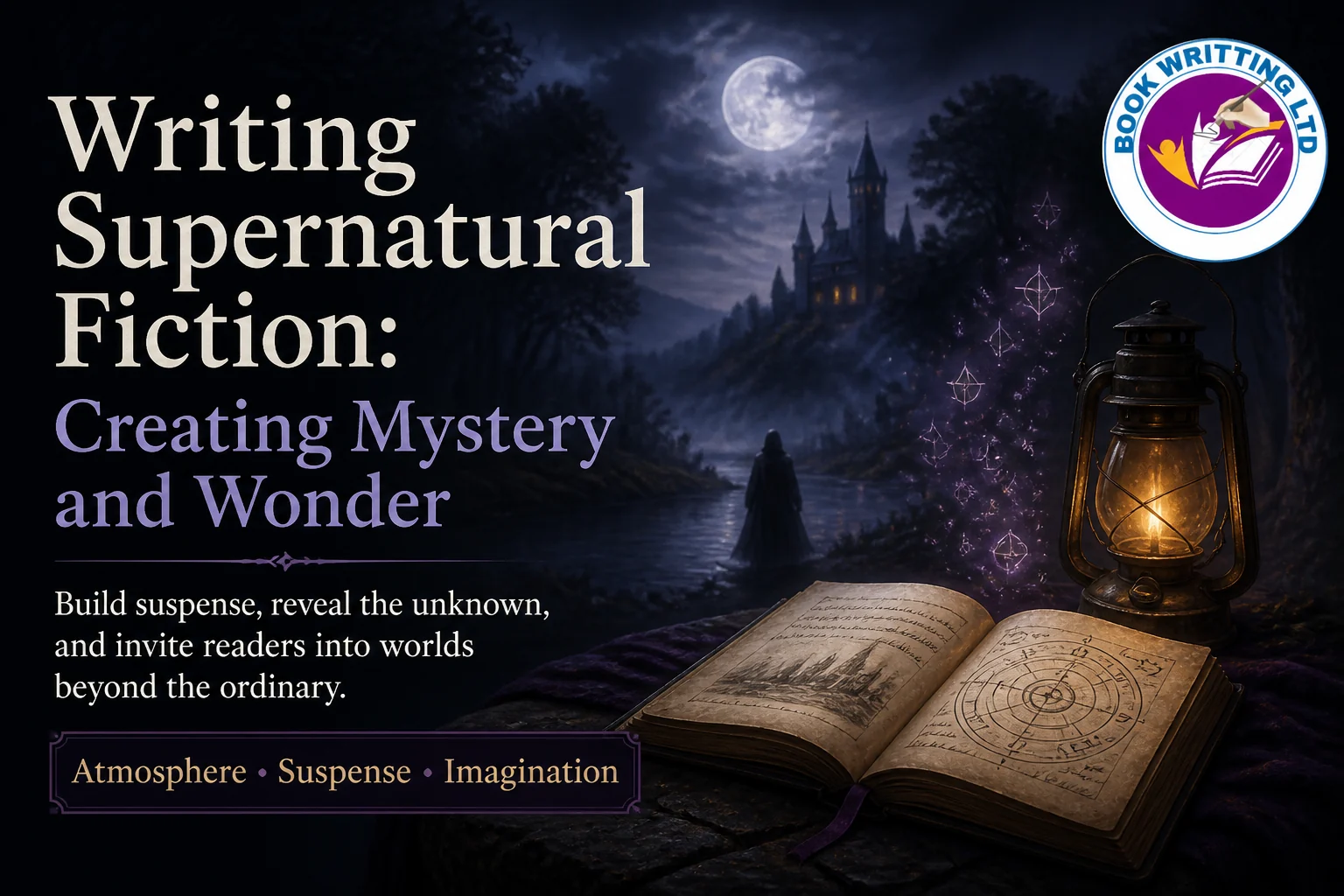
Supernatural fiction invites readers into worlds where ordinary life meets the unexplained. A familiar house may conceal an ancient secret, a quiet village may be haunted by its past, or an ordinary person may discover that reality is far stranger than it first appears.
These stories can combine mystery, suspense, imagination, and emotional depth. However, creating an engaging supernatural story requires more than introducing ghosts, unusual abilities, or mysterious events. Writers must establish a convincing atmosphere, develop believable characters, and reveal the extraordinary in ways that keep readers curious.
Whether you're writing a ghost story, a supernatural mystery, or a novel involving unexplained phenomena, the following techniques can help you create a story filled with mystery and wonder.
1. Begin with an Intriguing Supernatural Idea
A compelling supernatural story often begins with one unusual question. What if a person could hear messages from an abandoned building? What if an old family photograph changed every night? What if a small town experienced the same unexplained event whenever a particular clock struck midnight?
Start with a simple concept and explore its possibilities. Consider how the strange occurrence affects everyday life and why it matters to the characters.
The idea should create curiosity rather than explain everything immediately. Readers need enough information to understand the situation, but unanswered questions can encourage them to continue exploring the story.
Try combining an ordinary setting with one extraordinary element. The contrast between familiar surroundings and unfamiliar events can make supernatural experiences feel more striking.
2. Build an Atmospheric Setting
Atmosphere is one of the most effective tools in supernatural fiction. The setting can make readers feel that something unusual may happen even before the central mystery becomes clear.
An isolated cottage, an abandoned theater, a fog-covered forest, or an old apartment building can provide an effective backdrop. However, the location does not need to be traditionally frightening. A sunny coastal village or a busy modern city can become mysterious when something unexpected disrupts its normal routines.
Use sensory details to establish the mood. A distant sound, a flickering light, an unexplained change in temperature, or the silence of an otherwise familiar place can create uncertainty.
Choose details carefully rather than filling every paragraph with ominous descriptions. Quiet, ordinary moments give mysterious events greater impact when they finally occur.
3. Create Believable Characters
Readers need characters they care about, even when those characters encounter events that cannot easily be explained.
Give your protagonist personal goals, relationships, fears, and responsibilities. Perhaps they want to understand a family secret, protect someone they care about, or discover why unusual events are happening in their neighborhood.
Their responses should reflect their personalities and experiences. A skeptical character might search for practical explanations, while a curious character may investigate before considering the risks.
Supporting characters should also have their own motivations. Some may believe in the supernatural, others may reject it, and some may conceal information for personal reasons.
These different perspectives can create natural conflict and allow readers to consider several possible explanations.
4. Decide How the Supernatural Works
Even when a story involves mysterious or impossible events, it benefits from internal consistency. Decide what supernatural forces can do, what limits they have, and how they affect the world.
You may choose to explain these rules gradually or leave certain elements deliberately uncertain. Both approaches can work, provided the story remains coherent.
For example, if an unusual object appears to influence people's memories, establish enough of its behavior for the consequences to make sense. If supernatural abilities have costs or limitations, show how those restrictions influence the characters' decisions.
Avoid introducing new abilities or rules at the last moment simply to resolve a difficult situation. Readers are more likely to accept extraordinary events when they follow patterns established earlier in the story.
5. Balance Mystery with Clear Storytelling
Supernatural fiction thrives on unanswered questions, but mystery should not make the entire narrative confusing.
Decide what readers know, what the protagonist suspects, and what remains unknown. Reveal information in stages through discoveries, conversations, documents, unusual experiences, or contradictions in earlier explanations.
Each revelation should change the reader's understanding of the situation or create a meaningful new question.
Red herrings can encourage incorrect assumptions, but they should have a logical purpose. If readers discover that a clue was misleading, the story should provide a satisfying explanation.
You do not have to explain every supernatural detail. Some uncertainty can preserve the sense of wonder, especially when the central character conflict and major plot questions receive meaningful resolution.
6. Explore Emotional Themes
The supernatural element becomes more powerful when it connects to something meaningful in the characters' lives.
A ghost story might explore grief, memory, or unfinished relationships. A tale about an unexplained ability could examine responsibility, identity, or isolation. A mysterious place might force characters to confront a forgotten part of their history.
These themes give the extraordinary events emotional significance.
Rather than explaining a lesson directly, let readers discover meaning through the characters' choices and consequences. Their reactions can reveal what they value, what they fear, and how their understanding changes over time.
When wonder and emotional depth work together, the story can remain memorable long after its mysteries have been revealed.
7. Use Twists and Revelations Carefully
An unexpected revelation can transform a supernatural story by changing how readers interpret earlier events. Perhaps a supposedly harmless object has a different purpose, a trusted character knows more than they admit, or an unexplained pattern points toward a surprising connection.
Plant clues before the revelation so that the answer feels earned. Readers should be able to look back and recognize details that seemed insignificant at first.
Avoid adding a twist merely to shock the audience. A strong revelation should deepen the plot, develop a character, or clarify the supernatural mystery.
Sometimes the most effective ending explains the main conflict while leaving one small question unanswered. This approach can preserve a sense of wonder without making the entire story feel unresolved.
8. Revise for Suspense and Consistency
After completing the first draft, review the manuscript for pacing, atmosphere, character motivation, and the logic of the supernatural elements.
Check whether each major scene develops the mystery, reveals something important, or changes the characters' understanding. Remove repetitive descriptions and confusing details that do not contribute to the story.
Pay special attention to continuity. Make sure the supernatural rules remain consistent and that important revelations fit the clues already presented.
Writers preparing a manuscript for publication can explore writing, editing, publishing, and book marketing services through Book Writting Ltd.
Writing supernatural fiction is an opportunity to combine extraordinary possibilities with believable human experiences. Begin with an intriguing idea, develop an atmospheric setting, establish consistent supernatural rules, and give your characters meaningful reasons to investigate the unknown.
Reveal clues gradually, use twists thoughtfully, and connect supernatural events to emotions and choices that matter. Mystery is important, but the strongest stories also provide clarity, character development, and a satisfying sense of progression.
When readers feel both curious about the unexplained and invested in the people experiencing it, your supernatural fiction can create a lasting sense of mystery and wonder.