How to Write a Book Proposal? A Complete Guide for Aspiring Authors
10 November 2026 · 9 min read
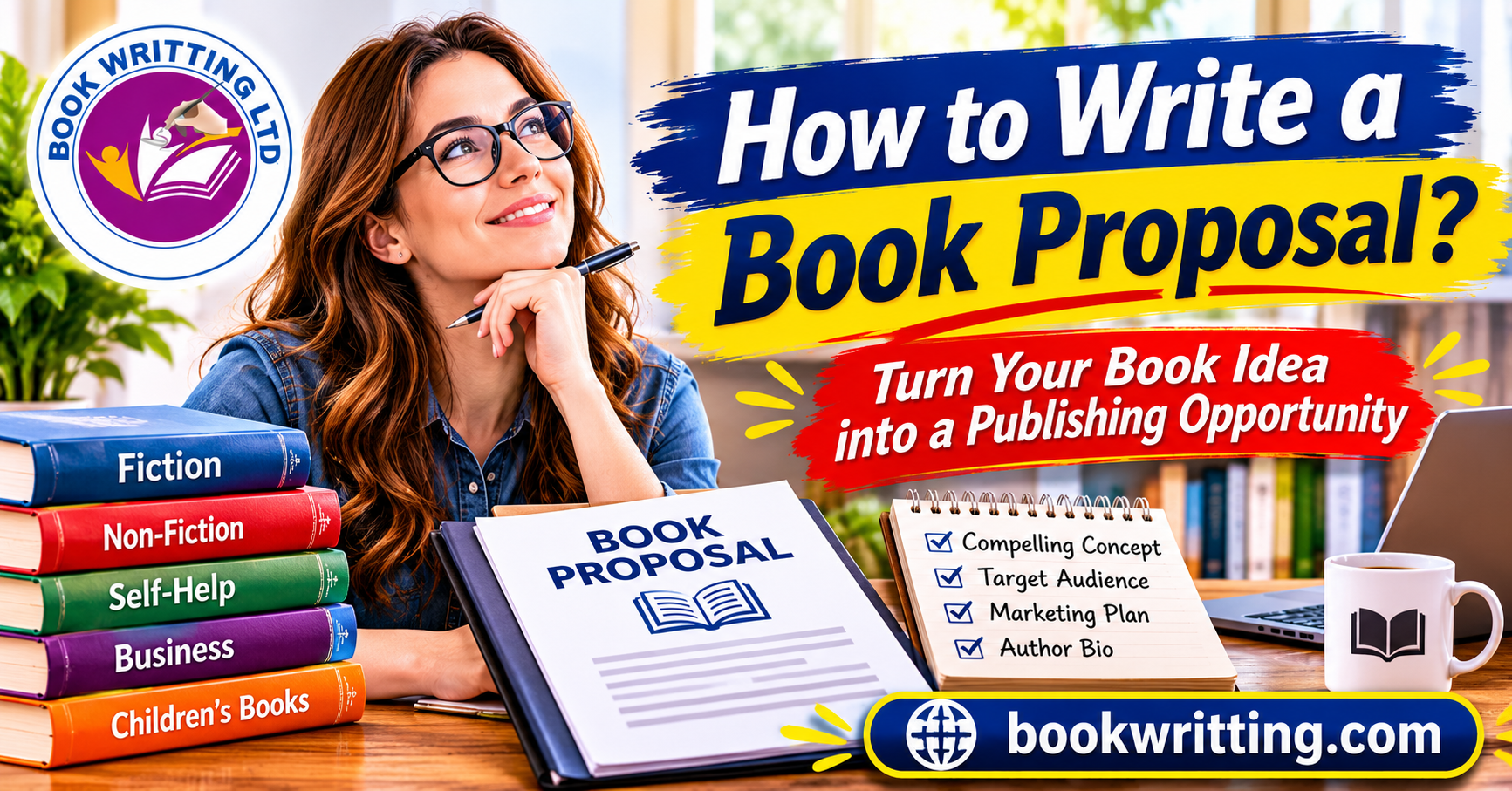
Have you written a book idea that you believe deserves to be published? Before approaching a literary agent or traditional publisher, you may need to prepare an important document called a book proposal.
A book proposal presents your idea professionally and explains why it deserves consideration. It introduces the subject, identifies the intended readers, demonstrates the book's value, and explains why you are the right person to write it.
However, preparing a book proposal involves more than describing your story or providing a few sample pages. A strong proposal needs a clear concept, an understanding of the market, an organized chapter plan, and information about the author's experience and promotional opportunities.
Whether you're developing a nonfiction guide, memoir, educational book, or another publishing project, understanding how to prepare a proposal can help you approach publishers more confidently.
In this guide, we'll explore the essential elements of a book proposal and explain how to create one that presents your project clearly and professionally.
1. Understand What a Book Proposal Is
A book proposal is a document that introduces a proposed book to a publisher or literary agent. It explains what the book is about, who might read it, what makes it distinctive, and how the author plans to develop the project.
For traditional publishing, proposals are particularly common in nonfiction publishing. Publishers may evaluate a nonfiction concept through a proposal and sample chapters before requesting the completed manuscript.
Fiction usually follows a different submission process. Novelists are commonly asked for a query letter, synopsis, sample pages, or completed manuscript, depending on the agent or publisher's requirements.
Some academic and specialist publishers also request proposals with detailed chapter plans and supporting materials.
Understanding which submission process applies to your project is the first important step.
2. Create an Engaging Book Overview
The book overview is one of the most important sections of your proposal. It introduces the entire project and explains why readers might be interested.
Start by describing the central idea in clear, engaging language.
Consider including:
What the book is about.
The main subject or central argument.
The problem or question it addresses.
What makes the book distinctive.
What readers can expect to gain.
Why the subject is relevant.
For example, a proposal for a personal development book might explain how the book helps readers develop better daily habits through practical exercises and realistic examples.
Avoid making exaggerated promises or using complicated language. The overview should communicate the book's value without making unrealistic claims.
A useful approach is to imagine explaining your book to someone who knows nothing about it. Your description should make the concept understandable and interesting.
3. Identify Your Target Audience
Publishers want to understand who is likely to read and purchase a book.
Your target audience section should describe the people who would benefit most from your project.
Depending on your subject, your readers might include:
Students and educators.
Business professionals.
Parents and families.
Fiction and fantasy readers.
Personal development enthusiasts.
Hobbyists and specialist audiences.
General readers interested in a particular subject.
Go beyond simply saying that your book is for everyone.
Explain the readers' interests, needs, and reasons for choosing your book. Where possible, use relevant market research or reliable information to support your assessment.
For example, a beginner-friendly guide to creative writing may appeal to aspiring authors who want practical advice about developing stories and preparing manuscripts.
A clearly defined audience helps publishers understand where your book fits within the marketplace.
4. Research Comparable Books
Comparable books, sometimes called comp titles, are published titles that share similarities with your proposed book.
Researching them demonstrates that you understand the existing market and have considered where your project belongs.
Look for books with similarities in:
Subject matter.
Genre.
Intended audience.
Writing style.
Purpose and structure.
Overall market positioning.
Include the title, author, publisher, and publication year for each relevant comparison.
Then explain how your proposed book is similar and how it offers something different.
Avoid suggesting that your book has no competition. Even distinctive projects usually have related titles that readers may also consider.
Your objective is to demonstrate that you understand the market and can explain why your book deserves its own place within it.
5. Write a Professional Author Biography
Your author biography explains who you are and why you are qualified to write the proposed book.
Focus on information that is relevant to the subject.
You might include:
Educational background.
Professional experience.
Previous publications.
Relevant research or specialist knowledge.
Writing experience.
Awards or professional recognition.
Relevant speaking or teaching experience.
For example, someone proposing a book about photography might highlight relevant creative experience, published work, or professional knowledge.
You do not need to include every personal achievement. Select information that demonstrates your connection to the subject and your ability to complete the project.
Be accurate and avoid presenting informal interests as professional qualifications.
6. Develop Your Author Platform and Marketing Plan
An author platform describes the ways you can reach potential readers.
This section helps publishers understand your existing audience and your ability to participate in promoting the book.
Depending on your circumstances, it might include:
A professional website.
An email newsletter.
Social media communities.
A blog or content platform.
Speaking or educational activities.
Relevant professional networks.
Previous promotional experience.
You should provide realistic information rather than exaggerating audience numbers or promising sales.
Next, prepare a marketing plan that explains how you could help introduce the book to readers.
Possible activities include publishing useful articles, creating social media content, participating in relevant events, arranging interviews, and connecting with communities interested in your subject.
A strong marketing plan focuses on activities that are practical, relevant, and achievable.
7. Prepare a Detailed Chapter Outline
The chapter outline explains how your book will develop from beginning to end.
List your proposed chapters in order and provide a short description of what each chapter will cover.
For example, a nonfiction book about creative writing might have this structure:
Chapter 1: Understanding the Writing Process
Introduces the fundamentals of planning and developing a writing project.
Chapter 2: Finding Story Ideas
Explores observation, imagination, research, and brainstorming techniques.
Chapter 3: Developing Memorable Characters
Explains how to create believable characters with goals, motivations, and conflicts.
Chapter 4: Organizing Your Story
Discusses plot structure, chapter planning, pacing, and narrative development.
Chapter 5: Revising Your Manuscript
Introduces practical approaches to editing, proofreading, and improving readability.
Each chapter description should explain its purpose and contribution to the complete book.
The outline should demonstrate that you have a clear plan and enough material to develop the proposed manuscript.
8. Include Strong Sample Chapters
Sample chapters demonstrate your writing ability and help publishers evaluate the quality of your proposed book.
Choose sections that clearly represent the project's subject, style, structure, and intended reader experience.
For nonfiction, select chapters that demonstrate your ability to explain important ideas clearly and provide useful information.
For memoir or narrative nonfiction, choose material that demonstrates your storytelling voice and ability to maintain readers' interest.
Make sure your samples have been carefully revised and are consistent with the proposal's description.
Do not automatically submit the entire manuscript unless requested. Publishers and agents may specify exactly how many sample chapters or pages they want.
9. Include Manuscript Specifications
Your proposal should explain the practical details of the project.
Depending on the publisher's requirements, these may include:
Proposed manuscript word count.
Number of chapters.
Current manuscript completion status.
Estimated completion date.
Intended book format.
Illustrations, photographs, or tables.
Additional materials or appendices.
Any relevant permissions or research requirements.
Be realistic when estimating the manuscript length and completion schedule.
If your book is already written, mention that clearly. If it is still being developed, explain how much work remains.
These details help publishers understand the scale and requirements of the project.
10. Format Your Book Proposal Professionally
A professional proposal should be easy to read and navigate.
Use a clean document layout with consistent headings, readable typography, and clear section divisions.
Consider these formatting practices:
Use a readable 11- or 12-point font.
Choose a simple, professional typeface.
Use consistent heading styles.
Include page numbers.
Use clear section titles.
Check spelling and grammar.
Save the document in the requested file format.
There is no single universal proposal length or layout. Some publishers prefer a concise overview, while others request a detailed prospectus, chapter outline, and several sample chapters.
For example, MIT Press provides its own proposal requirements, including a prospectus, detailed table of contents, sample chapters when requested, and author information. The University of Pennsylvania Press also specifies its own requirements for descriptions, outlines, author information, comparable books, and other materials.
Always follow the individual publisher's current submission guidelines.
11. Review Your Proposal Before Submission
Before sending your proposal, review every section carefully.
Ask yourself:
Is the book concept easy to understand?
Have I identified the intended audience?
Have I explained what makes the book distinctive?
Are the comparable titles relevant?
Does my biography establish appropriate experience?
Is the marketing plan realistic?
Does the chapter outline explain the complete book?
Are the sample chapters polished?
Have I followed the recipient's submission instructions?
Consider asking a trusted editor or experienced writer to review the proposal.
An independent perspective can help identify unclear sections, missing information, and opportunities to make the project more persuasive.
Writing a book proposal is an important step in presenting your publishing project professionally. It gives agents and publishers an opportunity to understand your idea, assess its audience, review your qualifications, and consider how the book will develop.
Begin with a clear overview, research comparable titles, identify your target readers, prepare an informative author biography, and develop a realistic chapter outline.
Remember that proposal requirements vary depending on the publisher, genre, and publishing arrangement. Nonfiction proposals and fiction submissions also follow different conventions.
Take time to research your intended publisher's instructions and prepare each section carefully. A well-organized proposal can help communicate your vision and provide a strong foundation for the next stage of your publishing journey.
If you need support developing or preparing your manuscript, explore writing, editing, proofreading, publishing, and book marketing services through Book Writting Ltd.