Writing Food-Inspired Fiction : Turning Flavors into Stories
24 November 2026 · 8 min read
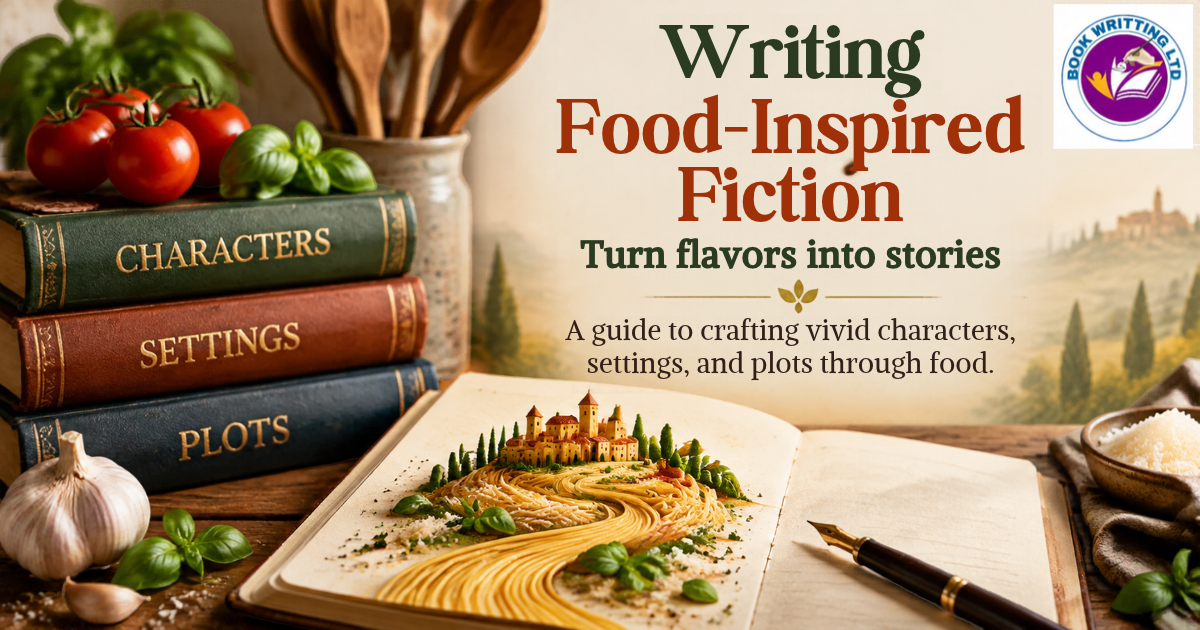
Food is more than something people eat. It can represent family traditions, cultural identity, personal memories, friendship, celebration, and even conflict. For writers, these everyday experiences provide endless opportunities for creating meaningful and memorable stories.
Food-inspired fiction uses meals, ingredients, cooking traditions, restaurants, and culinary experiences as important elements of storytelling. A simple family recipe can reveal a character's history, while a busy restaurant can become the setting for an unexpected friendship or mystery.
Whether you're planning a romantic novel, family drama, historical story, contemporary fiction, or a culinary mystery, food can help bring your fictional world to life.
However, writing food-inspired fiction involves more than describing delicious dishes. The strongest stories connect food with characters, emotions, relationships, settings, and meaningful events.
Here are ten practical techniques to help you transform culinary inspiration into engaging fiction.
1. Start with an Interesting Food-Related Story Idea
Every memorable story begins with an idea.
Think about how food could influence your characters, relationships, or central storyline.
Your story might follow a family trying to preserve an old recipe, a young chef opening a restaurant, or two strangers discovering a connection through a shared love of cooking.
Other possibilities include:
A family restaurant facing an uncertain future.
A secret recipe passed through generations.
A cooking competition that changes someone's life.
A bakery becoming the center of a small community.
A journey exploring traditional dishes and local cultures.
A mystery connected to an unusual culinary discovery.
Choose a concept that offers more than food descriptions. Give your characters meaningful goals, challenges, and reasons to move the story forward.
2. Create Memorable Characters Through Food
Food can reveal a surprising amount about fictional characters.
A character's favorite meal, cooking habits, food preferences, or relationship with a family recipe can communicate aspects of their personality and background.
For example, a character who carefully prepares traditional dishes might value family history and cultural connections. Another character who experiments with unusual ingredients might enjoy creativity and taking risks.
Consider questions such as:
What foods remind your character of childhood?
Who taught them how to cook?
Do they enjoy preparing meals for others?
Are certain dishes connected to important memories?
How have their food preferences changed over time?
Use these details naturally throughout the narrative.
Food should help readers understand the characters rather than become a replacement for meaningful character development.
3. Use Sensory Descriptions to Make Food Come Alive
One of the most enjoyable aspects of food-inspired fiction is the opportunity to use sensory storytelling.
Instead of simply naming a dish, describe the details that make the experience memorable.
Consider describing:
The aroma of freshly baked bread.
The sound of ingredients sizzling in a pan.
The smooth texture of a carefully prepared dessert.
The vibrant colors of fresh vegetables.
The combination of sweet, sour, spicy, and savory flavors.
For example, rather than writing that a character prepared pasta, you might describe the aroma of garlic and herbs filling the kitchen as the sauce slowly simmers.
Use sensory details carefully. A few well-chosen descriptions are usually more effective than lengthy explanations of every ingredient.
Your goal is to help readers imagine the experience while keeping the story moving.
4. Build a Story Around a Recipe or Dish
A particular recipe can become an important storytelling element.
It might connect different generations, represent a family tradition, or remind a character of someone important.
For example, a novel could follow a family whose members gather each year to prepare a traditional dish. As the story develops, readers discover the memories and relationships connected to the recipe.
You can also use a fictional dish to represent an imaginary culture or community.
Consider how the recipe changes throughout the story and what those changes reveal about your characters.
A dish that begins as a simple family tradition might eventually become a symbol of reconciliation, belonging, or personal growth.
5. Explore Different Food Cultures and Traditions
Food provides an opportunity to introduce readers to different cultural environments.
Your story might explore traditional markets, family celebrations, regional ingredients, cooking techniques, or the role of meals in community life.
Research the culture and culinary traditions relevant to your setting.
Consider:
Traditional ingredients and preparation methods.
Regional dishes and variations.
Family meals and celebrations.
Food-related customs.
Historical influences on local cuisine.
The relationship between food and community identity.
Avoid assuming that everyone within a particular culture eats the same foods or follows identical traditions.
When writing about real culinary traditions, use reliable sources and approach cultural details respectfully.
Accurate research can make your fictional setting more convincing and give readers a richer understanding of the world.
6. Make the Setting Part of the Story
Food-inspired fiction offers many interesting setting possibilities.
You might choose a small family kitchen, a traditional bakery, a busy restaurant, a farmers' market, a countryside farm, or a fictional culinary school.
Each location creates different opportunities for storytelling.
A restaurant can introduce professional competition and teamwork. A family kitchen might become the center of emotional conversations, while a marketplace can bring together characters from different backgrounds.
Think about how the environment influences what happens.
Describe the surroundings, sounds, activities, and atmosphere when they contribute to the narrative.
A well-developed setting makes the food and the characters feel connected to a believable world.
7. Use Food to Develop Relationships and Emotions
Sharing food is often connected with human relationships.
A meal can bring characters together, create opportunities for conversation, or help them reconnect after a disagreement.
For example, two characters who rarely communicate might begin rebuilding their relationship while preparing a familiar family recipe.
A character might also discover an important memory through a dish associated with someone they miss.
Use these moments to develop emotional connections naturally.
Avoid making every meal an important symbolic event. Ordinary scenes can also reveal interesting aspects of friendships, family relationships, and everyday life.
The most effective food-related moments contribute to the characters and the central story.
8. Develop a Strong Plot Beyond the Food
Food can inspire a story, but the narrative still needs a meaningful conflict.
Your protagonist should have a goal, face obstacles, and make decisions that influence what happens next.
For example, a young chef might dream of establishing a successful restaurant but struggle with financial responsibilities and family expectations.
A mystery novel might follow an unusual incident connected to a historic restaurant.
A romantic story might develop around two people collaborating on a culinary project.
The food-related elements should support the plot rather than replace it.
Give readers reasons to care about what happens beyond the descriptions of meals and ingredients.
9. Avoid Common Food-Inspired Fiction Writing Mistakes
Even an interesting culinary story can become less engaging when descriptions and storytelling are not balanced.
Avoid these common mistakes:
Too many food descriptions: Focus on details that contribute to the scene.
Weak character development: Give characters goals beyond cooking or eating.
Inaccurate cultural details: Research culinary traditions before describing them.
Unnecessary recipes: Include practical instructions only when they support the book's purpose.
Predictable storylines: Develop original conflicts and meaningful character decisions.
Unrealistic food experiences: Consider the setting, ingredients, preparation time, and circumstances.
Slow pacing: Balance descriptive passages with dialogue and meaningful events.
Good editing can help ensure that culinary details strengthen the story instead of distracting readers.
10. Edit and Prepare Your Food-Inspired Manuscript
Once your first draft is complete, review the manuscript carefully.
Check whether food descriptions support the characters, setting, and storyline. Make sure cultural details are accurate and that recipes or culinary information are presented clearly when included.
Look for repetitive descriptions, unnecessary scenes, confusing dialogue, and plot developments that need more explanation.
Ask trusted readers for feedback about the characters, pacing, setting, and overall reading experience.
Professional editing and proofreading can further improve the manuscript's clarity, organization, grammar, and consistency.
If you need assistance developing or preparing your manuscript, explore writing, editing, proofreading, publishing, and book marketing services through Book Writting Ltd at https://bookwritting.com/.
Writing food-inspired fiction is an opportunity to combine culinary imagination with meaningful storytelling.
Start with an interesting concept, create memorable characters, and use food to develop relationships, reveal cultural traditions, and bring your settings to life.
Balance vivid descriptions with engaging conflicts and realistic character development. Research culinary details carefully and allow food to contribute naturally to the narrative.
Remember that the most memorable food-inspired stories are not simply about what characters eat. They explore the memories, emotions, traditions, and relationships connected to those experiences.
With creativity, thoughtful research, and careful revision, you can transform ordinary culinary inspiration into extraordinary fictional stories.
For more writing inspiration, manuscript preparation, editing, proofreading, publishing, and book marketing resources, visit Book Writting Ltd and explore services designed to support your writing journey.